
Struggling local businesses face decreased customer base from foreign workers during Korea's record-high ship orders period
From Coast to Cash: The Foreign Labor Boom in Korea's Shipbuilding Industry
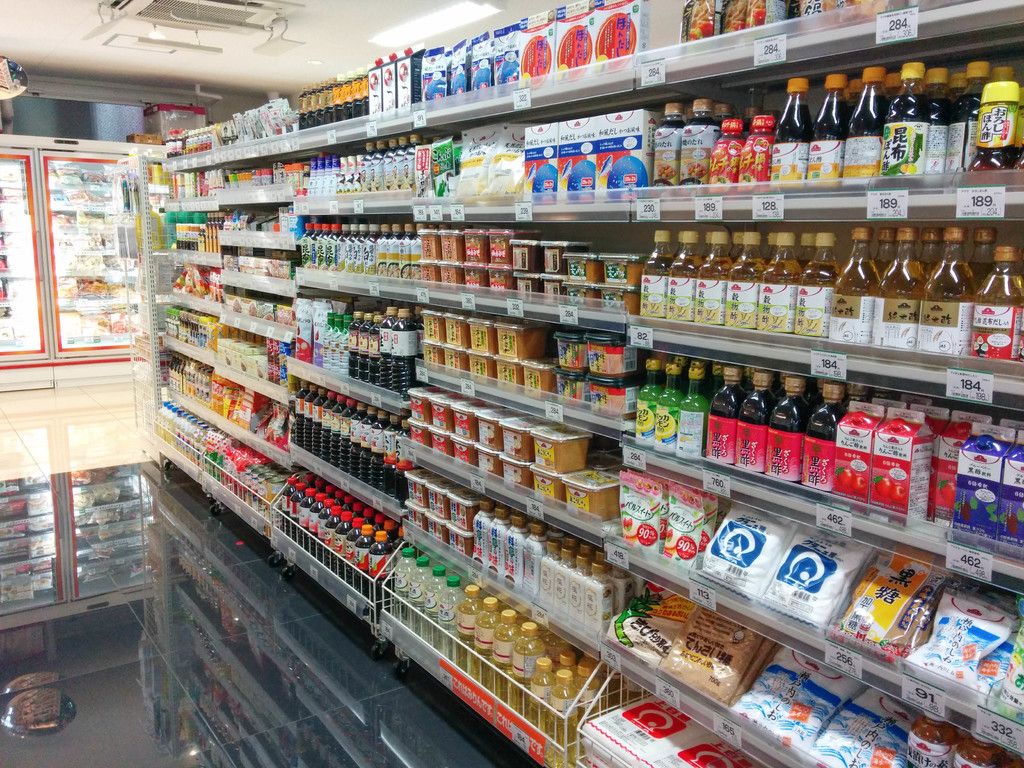
Photos taken on June 5 show foreign workers from Samsung Heavy Industries, trembling from exhaustion after a long day's work, unfurling their hard-earned cash to pay for essentials at local stores in Geoje, South Gyeongsang [JOONGANG ILBO]. This scene encapsulates a fascinating, tense, and nuanced narrative playing out in South Korea's bustling shipbuilding sector – a sector, once decimated, now experiencing an unparalleled resurgence, reliant on a rapidly expanding foreign workforce.
Hierarchy of Articles:
- Korea Ascending: Shipping Giants Spur Sales with Container Ships
- Foreign Workers Remaining King Tide in Global Shipbuilding Orders
- Samsung Heavy Industries CEO Huddles with U.S. Officials on Shipbuilding Cooperation
As the din of riveting guns and the scent of molten steel saturate the air around Samsung Heavy Industries' facilities, the workers draped in personal protective equipment – a vibrant tapestry of nations – muddle through sweltering temperatures and physical demands most would deem inhumane. They are the cogs in the immense machinery that has catapulted South Korea into the world's second-largest shipbuilding powerhouse, generating billions in orders each month.
A Labor Market Shift
Although the domestic workforce once thrived alongside colossal shipyards, the current labor force consists of 16.4% foreign nationals – a staggering jump from just 5% in 2021 [2][3]. Samsung Heavy Industries alone employs thousands of foreign workers in key hubs such as Geoje.
Economics 101: The Paradox
While South Korea's shipbuilding boom bolsters the economy as a whole, the benefits fail to trickle down within local communities. Foreign workers part with a large portion of their earnings – up to 70% or more – to support their families back home. This spending limitation, coupled with high living expenses, prevents them from fueling the local economy as anticipated [1].
The Upshot: Cooperation Challenges and Opportunities
Local businesses vent their frustration, lamenting low volumes of sales despite record shipbuilding orders and shipyards teeming with laborers. The lack of spending and economic interaction underscores a chasm between the industry's feverish growth and the most immediate local beneficiaries [3].
Samsung Heavy Industries endeavors to bridge this divide, focusing on worker protection, fair labor practices, and compliance. The company conducts audits and training programs to eradicate forced labor and boost worker protections within its global manufacturing facilities [4]. However, as the shipbuilding industry barrels forward, numerous questions regarding the ethical treatment and integration of its diverse, essential workforce remain unanswered.
- Despite the surge in foreign workers in South Korea's shipbuilding industry, contributing significantly to the country's economy and becoming an integral part of Samsung Heavy Industries' workforce, these workers’ earnings mostly flow back to their home countries, thus failing to stimulate the local economy as anticipated.
- The increasing dependence on foreign labor in South Korea's shipbuilding sector, which now comprises 16.4% of the workforce, has led to a paradoxical situation in which the economy as a whole benefits from the industry's growth, but local communities and businesses, particularly in Geoje, do not experience the anticipated economic boost due to the limited spending power of foreign workers.
- With Samsung Heavy Industries employing thousands of foreign workers and the shipbuilding industry rapidly expanding, the challenge lies in ensuring ethical treatment and integration of this diverse workforce, as the company focuses on addressing issues like forced labor and worker protections while balancing the requirements of the fast-paced, global finance-driven energy sector.




