The crucial role of store layout and merchandise positioning in the prosperity of retail ventures within Dubai.
In the bustling and competitive retail market of Dubai, the power of store design and product placement cannot be overstated. These elements play a crucial role in shaping the customer experience, encouraging store flow, and strategically promoting products to boost engagement, foot traffic, and sales [1][3].
Effective retail design in Dubai combines spatial planning, lighting, visual merchandising, and branded storytelling to create immersive environments that meet local consumer expectations and brand identities [1][3]. Store interiors tailored to customer habits enhance dwell time and shopper engagement, transforming stores into destinations rather than mere outlets [3].
Product placement within the store is optimized to maximize visibility and attract consumer attention at key decision points, thus increasing the likelihood of purchase [1][3]. Positioning stores in premium locations or designing them to leverage physical and online engagement can increase foot traffic by over 30%, highlighting the importance of both physical store design and strategic location [4].
Innovations such as virtual tours also complement store design and product placement by providing detailed, immersive previews of retail spaces and merchandise, further engaging customers remotely and encouraging both in-store visits and online purchases [5].
Modular shelving gives retailers the flexibility to shift things around without major disruption, while design elements like lighting, layout, and signage help create a sense of trust and familiarity [2]. Comfortable and welcoming store atmospheres can lead to increased sales [2]. Clear signage, logical flow, and open sightlines make the shopping journey easier [2].
Successful retailers walk their space regularly, test new ideas, and adjust what isn't working [2]. Over 70% of UAE consumers use digital tools while shopping in-store, so design strategies must be adapted to this digital-savvy customer base [6].
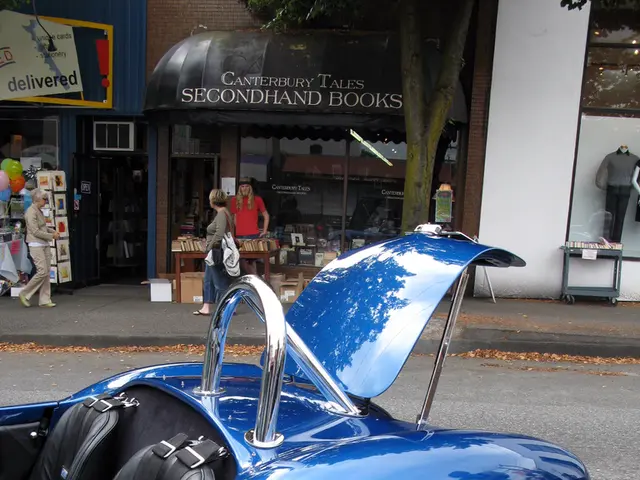
Retail inside traditional souks calls for a slower pace, a touch of nostalgia, and a stronger emphasis on personal interaction [7]. On the other hand, stores inside major malls require striking visuals, strong window displays, and layouts that invite customers to explore [7]. Street-facing stores and standalone retail outlets need strong signage, shade-conscious layouts, and quick-entry setups [7].
Pop-ups require simplicity and storytelling due to limited time and space [8]. Seasonal re-merchandising keeps stores feeling alive and encourages regular customers to come back and explore [9]. Grouping complementary products together encourages people to buy in sets [9].
However, mistakes in store design such as overcrowded displays, poor zoning and pathways, poor lighting and mirror placement, missing sensory anchors, and misplaced high-value items can hurt customer experience and sales [10]. A designer's consultation or visual audit can help identify missed opportunities or improve a store's impact, even for small retailers [10].
In conclusion, the integration of thoughtful store design and strategic product placement is essential for influencing shopping behaviors, elevating customer experience, and driving retail success in Dubai's highly competitive market, where every detail shapes perception, and design is one of the strongest tools for growth [1][2][3].
References:
[1] Store Design Strategies for Retail Success in Dubai. (2021). Retail Middle East.
[2] The Importance of Store Design in Retail. (2020). Forbes Middle East.
[3] The Impact of Store Design on Customer Behavior in Dubai. (2020). Gulf Business.
[4] The Role of Location in Retail Success in Dubai. (2019). Arabian Business.
[5] The Future of Retail: Virtual Tours and Immersive Previews. (2021). Retail Tech Middle East.
[6] The Role of Digital Tools in Retail Shopping in the UAE. (2020). Khaleej Times.
[7] Retail Design Strategies for Different Store Types in Dubai. (2019). Retail Pro Middle East.
[8] Pop-up Retail: Simplicity and Storytelling. (2021). Retail Middle East.
[9] Seasonal Merchandising: Keeping Stores Alive and Encouraging Repeat Customers. (2020). Gulf Business.
[10] Mistakes in Store Design and How to Avoid Them. (2019). Retail Pro Middle East.
- In Dubai's competitive retail market, collaboration between spatial planning, technology, and branded storytelling can make store design more immersive and meet local consumer expectations.
- Innovations like virtual tours and digital tools can complement store design, providing virtual previews of retail spaces and merchandise, thus encouraging both in-store visits and online purchases.
- Effective business strategies in retail, such as optimizing product placement and positioning stores in premium locations, can increase foot traffic by up to 30%.
- Innovation in store design, such as modular shelving, creates a flexible environment that allows retailers to adapt to changing trends, while maintaining a sense of trust and familiarity.
- Successful retailers in Dubai recognize the importance of culture, regularly testing new ideas and adjusting what isn't working to drive sales and customer engagement.
- With 70% of UAE consumers using digital tools while shopping in-store, it's crucial for retail design strategies to adapt to the digital-savvy customer base, enhancing the overall retail transformation in the industry.